Main Content

Slide Image #1
Slide Image #2
Slide Image #3
Slide Image #4
Slide Image #5

An Innovative Approach To Changing Your Address

Quick Search

Real Estate IDX Powered by iHomefinder

About Us Why HGroup?

HGROUP combines experience, market insight, and disciplined negotiation to protect our clients and maximize outcomes. Our growth is built on lasting relationships and measurable results — one satisfied customer at a time.

About Us Logo About Us Logo About Us Logo
About Us Photo
About Us Photo

Featured Communities

Choosing the right community in Dallas isn’t about a zip code — it’s about fit. We know the neighborhoods, the market movement, and the trade-offs that shape each area. Whether you’re prioritizing schools, commute, amenities, or long-term value, we’ll help you navigate your options with clarity and confidence.

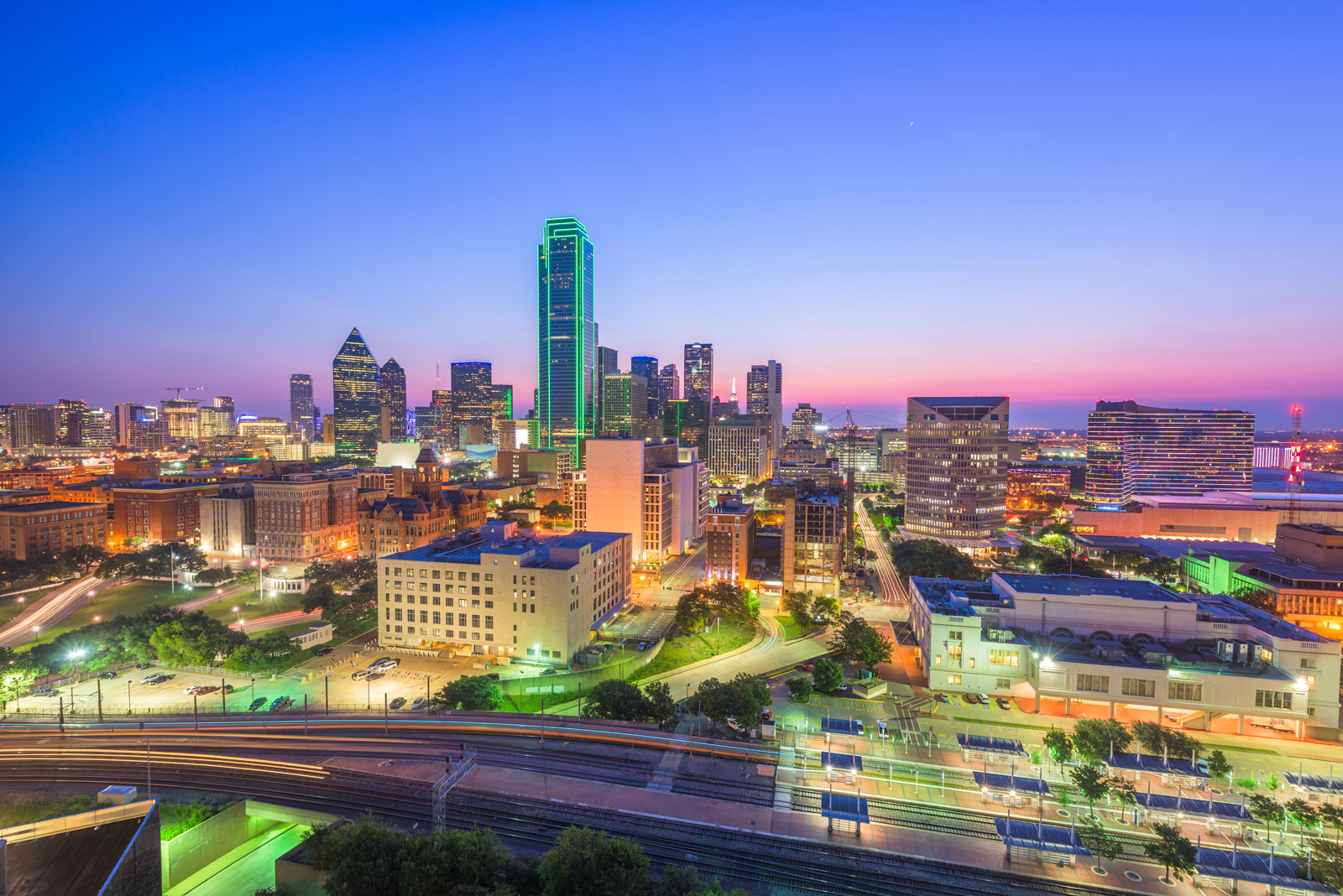
Dallas / Uptown / Downtown

Welcome to Dallas / Uptown / Downtown

The urban core of the metroplex, the couple of square miles where the skyline actually is, and where home usually means a condo or high-rise a short walk from dinner, a show, or the symphony.

Overview

Dallas / Uptown / Downtown is the center of gravity for DFW, running from the business towers of Downtown out through Uptown, up the Turtle Creek corridor, and into the arts, design, and entertainment pockets that ring the center. This is vertical Dallas. Housing skews to condos, lofts, and high-rise residences far more than single-family homes, and the price band is wide.

An older one-bedroom condo can start in the low $200,000s, while penthouses on Turtle Creek and in the Arts District have carried asking prices past $10 million. It fits buyers who want to walk to work, a gallery, or a live set and are happy to trade a yard for a valet, a rooftop pool, and a view. If you need grass and a garage, this is not your part of town.

Neighborhoods in Dallas / Uptown / Downtown

  • Turtle Creek — A landscaped creek corridor just north of downtown, mostly high-rise and mid-rise condos along the Katy Trail, with a median around $435,000 and penthouses running into the millions.
  • Deep Ellum — Dallas's original arts-and-music district just east of downtown, where century-old warehouses now hold lofts and there's a live show most nights of the week.
  • Arts District — Nineteen downtown blocks of museums, opera, and symphony, the largest contiguous arts district in the country, with really only two for-sale towers inside it: Museum Tower and HALL Arts Residences.
  • Design District — An old warehouse district by the Trinity turned showroom, gallery, and dining scene, mostly rental apartments with a thin pool of condos and lofts for buyers.
  • High Rises — Not one neighborhood but a way of living: glass towers stacked across Turtle Creek, Uptown, Victory Park, and the Arts District, with valet, rooftop pools, and four-figure monthly HOA dues.

What Sets It Apart

What you're really buying here is proximity. Most of these neighborhoods sit within a couple of miles of the central business district, tied together by the Katy Trail, Klyde Warren Park, and the free McKinney Avenue trolley. Uptown alone carries a walk score in the mid-90s, and the trip downtown is often five to ten minutes by car or trolley. The lifestyle is urban and walkable by design, which is the same reason it runs light on yards, grocery runs, and quiet.

Schools are the honest complication. Almost all of the core is Dallas ISD, and much of it feeds North Dallas High School, but elementary and middle assignments shift block to block and even building to building. A handful of towers near the Park Cities line fall into Highland Park ISD instead. Dallas ISD also runs magnet and audition campuses, including Booker T. Washington in the Arts District, that draw citywide rather than by address. Confirm the exact zone for a specific property before you rely on it.

The HGROUP Take

Choosing inside this region comes down to what kind of energy you want out your front door. Deep Ellum and the Design District are loud and creative. Turtle Creek and the Arts District are quieter and more polished. Uptown sits in the middle with the most walkable everyday grid. If you're buying rather than renting, know that most of what trades here is condos and high-rise residences, so read the building before you fall for the view. Two things we tell every buyer:

shop the total monthly cost, mortgage plus HOA plus taxes, not just the sticker price, and pull the building's financials, reserve fund, and special-assessment history before you write an offer. Floor, exposure, and view drive resale as much as square footage.

Local Resources

Oak Cliff

Welcome to Oak Cliff

Dallas's oldest neighborhood with its own identity, a hilly stretch just across the Trinity from downtown where trolley-era shopping districts, 1920s architecture, and a stubborn independent streak set it apart from the rest of the city.

Overview

Oak Cliff sits on the west side of the Trinity River, minutes southwest of downtown Dallas. It started as Hord's Ridge in the 1880s, got renamed Oak Cliff in 1887 by developers Thomas Marsalis and John Armstrong, and was annexed by Dallas in 1903. It's big and it's varied. The housing runs a real range: restored 1920s bungalows and Craftsman homes, Tudor and Spanish Eclectic on curving hillside streets, walkable townhomes and condos around the shopping districts, up to large historic homes on well-treed lots in Kessler Park. It fits buyers who want character and location over new construction and square footage. Two honest notes carry across the region: much of the historic core sits under conservation-district rules, and school zoning shifts block to block.

Neighborhoods in Oak Cliff

  • Bishop Arts — Dallas's most walkable independent-shopping district. Trolley-era storefronts along North Bishop hold coffee counters, record stores, and some of Oak Cliff's best restaurants, wrapped by 1920s bungalows and newer condos you can live in and still walk to dinner.
  • Kessler Park — Hilly, tree-shaded, and almost entirely historic. 1920s Tudor and Spanish-style homes wind along curving streets from Interstate 30 down to Colorado Boulevard, with Stevens Park Golf Course on the western edge and conservation-district rules protecting the character.
  • Stevens Park — A small, tightly held pocket of roughly 200 homes. 1920s Tudor, Spanish Eclectic, and Colonial set on wooded hills above the golf course, five minutes from downtown. Inventory is thin and a 2011 conservation district governs what you can change outside.

What Sets It Apart

Oak Cliff runs on Dallas ISD, but the feeder pattern shifts by block. Bishop Arts generally feeds Adamson High, the Kessler Park side runs toward Sunset, and Stevens Park sits near a boundary that splits between Pinkston and Sunset. Confirm the assigned schools for a specific address before you count on them. Lifestyle is the real draw, and it changes by pocket. Bishop Arts is walk-everywhere dense. Kessler Park and Stevens Park trade that for hills, tree canopy, and a golf-course edge with the Coombs Creek Trail running through. Independent restaurants, live-music rooms like the Kessler Theater, and the historic Texas Theatre are shared across the whole region. On commute, it's hard to beat. Most of North Oak Cliff sits two to five minutes from downtown by way of Interstate 30 and Interstate 35E, and the Dallas Streetcar connects Bishop Arts to Union Station. The trade-off across the region is age and rules: the older housing stock needs an inspection budget, and much of the historic core carries conservation-district design guidelines.

The HGROUP Take

Start with how you want to live, not just what you want to buy. If walking to dinner and a show matters more than square footage, look at Bishop Arts. If you want genuine 1920s architecture and mature trees, and you're fine trading a quick big-box run for it, Kessler Park and Stevens Park are the move. Two things hold across the region: get a real inspection on the older homes, and if a house falls in a conservation district, price any exterior renovation around the design guidelines before you fall for a facade. Oak Cliff rewards buyers who want character and location over new build. Figure out which pocket fits you before you start touring.

Local Resources

East Dallas

Welcome to East Dallas

The side of the city built around White Rock Lake, where 1920s Tudors, 1930s lake cottages, and mid-century ranches sit under old trees ten to twenty minutes from downtown.

Overview

East Dallas runs northeast of downtown, roughly bounded by Northwest Highway on the north, Garland and Mesquite on the east, I-30 on the south, and Central Expressway on the west. Its chamber calls it the "Lake & Garden District," and that's the honest frame: White Rock Lake and the Dallas Arboretum anchor the whole area, and the neighborhoods that grew up around the water carry a century of architecture worth preserving. This is single-family country, not a loft district. The housing runs from compact 1920s cottages and mid-century ranches near $600K to seven-figure Tudors and big-lot estate homes in Lakewood. It fits buyers who want mature trees, real yards, and near-in access to the lake without moving out to a suburb.

Neighborhoods in East Dallas

  • Lakewood — the premium play. 1920s English Tudors and Mediterranean-eclectic homes under old oaks right up against White Rock Lake, feeding the sought-after Woodrow Wilson pattern in Dallas ISD. Prices run seven figures.
  • White Rock — the residential ring wrapped around the lake, covering Little Forest Hills, Forest Hills, Casa Linda, and Casa View. Small 1930s lake cottages to big-lot mid-century ranches, generally high-$500Ks into the $900Ks, with the 9-mile trail as a backyard.
  • Lake Highlands — the family pick in Northeast Dallas, and the one pocket zoned mostly to Richardson ISD instead of Dallas ISD. Ranch and mid-century homes on generous lots, a median around $600K, and a Fourth of July parade the whole neighborhood turns out for.
  • M Streets (Greenland Hills) — one of the largest collections of 1920s Tudor cottages in the country, on a walkable grid just north of Lower Greenville. Conservation-district character, compact homes, and dinner a short walk away.

What Sets It Apart

Two things define East Dallas: the lake and the schools. White Rock Lake Park covers more than a thousand acres with the most-used trail in the city looped around it, and for most people who live near it the shoreline works like an extension of the front yard. Schools are where the region splits. Most of East Dallas sits in Dallas ISD and feeds the Woodrow Wilson pattern (Lakewood, the M Streets, and the White Rock neighborhoods), which is a real draw for families. Lake Highlands is the exception, zoned mostly to Richardson ISD, and that assignment is the whole reason a lot of buyers land there. Commutes run short, roughly ten to fifteen minutes downtown from Lakewood and White Rock and about twenty from Lake Highlands, with the DART Blue Line running through the north end. The catch across all of it: the housing stock is old, so budget for what an inspection turns up, and school zones can flip block to block.

The HGROUP Take

Start with two questions: which school pattern, and how much house age can you take on. If the Woodrow Wilson feeder matters to you, look at Lakewood, the M Streets, or White Rock, and confirm the exact elementary before you fall for a house, because the Woodrow pattern pulls from several campuses and the line moves block to block. If you want strong public schools without leaving the city, Lake Highlands and its Richardson ISD zoning is the move, but verify the campus there too since a few edges fall outside RISD. Budget matters just as much: Lake Highlands and the lower end of White Rock start around $600K, the M Streets sit in the middle, and Lakewood runs seven figures. Whatever the pocket, most of this stock is pre-war or mid-century, so put foundation, roof, and updates into your number up front and price the renovated homes against the ones that still need work.

Local Resources

Far North Dallas

Welcome to Far North Dallas

The band of fast-growing suburbs stacked up the tollways north of the city, where nationally ranked schools, master-planned neighborhoods, and corporate campuses have pulled hundreds of thousands of families out past the old county line.

Overview

Far North Dallas runs from about 15 to 30-plus miles up from downtown, most of it in Collin County, with Carrollton straddling Dallas, Denton, and Collin counties on the western edge. US-75, the Dallas North Tollway, the Sam Rayburn Tollway, and the President George Bush Turnpike are the spines that tie it together. This is one of the fastest-growing corners of the country: Collin County added nearly 43,000 residents in the year ending July 2025, second only to Houston's county. Housing runs a wide band, from 1970s and '80s brick ranches near century-old rail squares to brand-new estate lots in master-planned communities, with prices from the low $400,000s in Carrollton and Allen up to the high $600,000s in Frisco. It fits families who want schools, space, and newer homes and will trade a short Dallas commute for them.

Neighborhoods in Far North Dallas

  • Carrollton — Built around a century-old railroad square, with three DART rail stations and one of North Texas's biggest Korean shopping districts. Settled single-family blocks and the most reachable prices in the group, split across several school districts.
  • Plano — The suburb that pulled Toyota, JPMorgan Chase, and Liberty Mutual north to Legacy West. An older, more affordable east side and a newer, pricier west side, mostly on strong Plano ISD.
  • Frisco — "Sports City USA," with the Cowboys' headquarters at The Star, PGA Frisco, an MLS stadium, and a new Universal kids park. The newest construction and the top prices here, spread across a dozen Frisco ISD high school zones.
  • McKinney — The Collin County seat, with one of the best-preserved courthouse squares in Texas ringed by master-planned communities. One of the fastest-growing cities in the country, about 30 miles up US-75.
  • Allen — A family town with one high school the whole city rallies behind on Friday nights, 80-plus miles of creek trails, and master-planned neighborhoods anchored by the Premium Outlets.

What Sets It Apart

Schools are the regional story. Plano, Frisco, Allen, and McKinney ISD all carry strong reputations, but the map is a patchwork, and a single mailing address can sit in one district while the house next street over sits in another. Allen is the exception, one high school for the whole city. Everywhere else the line moves block to block, so the district is the first thing to pin down, not the last.

Lifestyle skews master-planned: big trail networks, restored downtown squares, and major sports and retail anchors within a short drive. Commuting is another honest trade-off. These are car cities. DART rail reaches Carrollton on the Green and Silver lines, but north of there the light rail thins out fast, and McKinney and Frisco have none. Plan on the tollways.

The HGROUP Take

Choosing inside Far North Dallas comes down to budget against how new you want it. Carrollton, east Plano, and Allen hand you more house for the money and established, tree-lined blocks. Frisco and west Plano put you in the newest construction at the top of the price band. McKinney splits the difference with square footage and a real town center, but the longest daily commute. The one rule that holds across every city here: confirm the exact school district and campus by street address before you make an offer. That is the mistake that costs buyers in this region. If you want schools, space, and a newer home, and you can live with driving, this is the part of DFW to look.

Local Resources

Fort Worth

Welcome to Fort Worth

The metroplex's western anchor, where a working Old West cattle town and one of the best museum districts in the country sit about fifteen minutes apart.

Overview

Fort Worth is the 10th-largest city in the country and the fourth-largest in Texas, home to just over a million people. It's the county seat of Tarrant County and the western half of the Dallas-Fort Worth metroplex, roughly 30 miles from downtown Dallas. Locals still call it Cowtown, and the "Where the West Begins" motto is earned, not marketing. Housing runs a wide range: historic bungalows in Fairmount and the Near Southside, downtown lofts, established homes near TCU, and newer master-planned and estate lots out west and north. City-wide median prices sat in the low-to-mid $300,000s in early 2026, generally a step below the Dallas side of the metroplex. It fits buyers who want a real city with a slower, friendlier feel.

Neighborhoods in Fort Worth

  • Downtown / Sundance Square — A 35-block walkable core the Bass family rebuilt, anchored by Bass Performance Hall (home to the Fort Worth Symphony and the Van Cliburn piano competition).
  • The Stockyards — The National Historic District where Cowtown started, with twice-daily cattle drives, honky-tonks, and rodeo, about five minutes north of downtown.
  • Cultural District — A few miles west of downtown, one of the strongest museum clusters in the country: the Kimbell (in a Louis Kahn building), the Amon Carter (free admission), the Modern, and the National Cowgirl Museum and Hall of Fame.
  • West 7th — The nightlife and dining strip connecting downtown to the Cultural District, still filling in with apartments and retail.
  • Near Southside / Magnolia Avenue — The eclectic side of town: independent restaurants, breweries, and live music wrapped around Fort Worth's medical district and its five major hospitals.
  • TCU / West Side — Texas Christian University, the Fort Worth Zoo, and the older, leafy neighborhoods that tend to hold their value.
  • Clearfork & Camp Bowie — Upscale shopping and dining, from the master-planned Clearfork development to the historic brick stretch of Camp Bowie Boulevard.

What Sets It Apart

Schools depend entirely on where you land. Fort Worth ISD covers most of the city, about 67,000 students across 137 campuses, and it's working through a turnaround after years of pressure over academic performance. But the city sprawls across five counties, so plenty of Fort Worth addresses actually sit in Keller, Northwest, Eagle Mountain-Saginaw, Crowley, Aledo, or one of a dozen other districts, some of which post top-tier state ratings (Aledo ISD earned an A from the state in 2025). Two houses a mile apart can feed completely different districts. On commute, I-30 links you to Dallas in roughly 30 to 40 minutes off-peak, and Trinity Metro runs the local buses, the TEXRail line to DFW Airport, and shares the Trinity Railway Express to Dallas. Lifestyle here trades Dallas polish for a friendlier, more affordable, more Western feel.

The HGROUP Take

Fort Worth rewards buyers who want more house and more character for the money than the Dallas side gives you, and who don't mind that it's a car city outside the walkable core. The move is to pin down the school district and the exact neighborhood before you fall for a listing, because "Fort Worth" covers everything from a $300,000 Near Southside bungalow to a half-million-dollar Aledo build. If schools matter to you, verify the assigned district by address first. It changes the shortlist more than any other factor out here.

Local Resources

  • City of Fort Worth — municipal services, permits, parks, city departments
  • Fort Worth ISD — district site, school locator, attendance zones
  • Visit Fort Worth — districts, attractions, events, Stockyards and Cultural District guides
  • Trinity Metro — local bus, TEXRail to DFW Airport, Trinity Railway Express to Dallas

Mid-Cities

Welcome to the Mid-Cities

The run of suburbs between Dallas and Fort Worth, built around DFW Airport, where you sit at the center of the Metroplex instead of picking a side.

Overview

The Mid-Cities is the roughly 30-mile stretch of suburbs filling the gap between downtown Dallas and downtown Fort Worth, most of it in Tarrant County and anchored by DFW International Airport at its heart. The core is the Hurst-Euless-Bedford trio, the three towns that lend the "HEB" name to the area and its school district. On this site the region also reaches into Irving and Las Colinas on the Dallas side and down to Arlington. Housing runs the full spread, from Las Colinas high-rise condos and gated golf communities to established brick and mid-century ranch homes in the high $300,000s to single-family value in Arlington's low $300,000s. It fits central-DFW commuters, airline and airport workers, and families who want an established neighborhood over a brand-new build.

Neighborhoods in Mid-Cities

  • Irving — the geographic middle of the Metroplex, with part of DFW Airport inside city limits and the DART Orange Line running rail most of the region doesn't have; Las Colinas high-rises and canals alongside single-family Valley Ranch, median around $420,000 (late 2025).
  • Arlington / Las Colinas — one combined page for two very different places: Las Colinas, the upscale canal-and-corporate district inside Irving, and Arlington, the Tarrant County entertainment city that holds the Cowboys, Rangers, and Six Flags, with single-family value in the low $300,000s.
  • Euless — right on DFW Airport's doorstep, established single-family plus a heavy share of apartments and townhomes, a deep park and trail system, and one of the most diverse populations in Texas; recent medians in the high $300,000s.
  • Bedford — mature, tree-lined single-family halfway between the two downtowns, HEB ISD headquartered in town, and a fifteen-minute run to the airport; high-$300s to low-$400s.
  • Hurst — a built-out town of 1950s-to-1980s ranch homes on larger lots, many with no HOA, home to North East Mall and five minutes from DFW.

What Sets It Apart

Location is the whole pitch. From most of the region you're 15 to 30 minutes from either downtown and minutes from one of the busiest airports in the country, with the Airport Freeway (SH-183/121), SH-360, and Loop 820 tying it together and the DART Orange Line adding rail on the Irving side. Schools are where it gets local. The HEB core runs on Hurst-Euless-Bedford ISD, which crosses city lines and splits between L.D. Bell and Trinity high schools block to block; Irving and Las Colinas cut across three separate districts; Arlington adds several more. The honest catch is the airport itself: sit under a flight path and you'll hear the planes, so it pays to walk any specific address.

The HGROUP Take

Start with what you want out of the day. Fly for a living, and Euless puts you closest to the gates. Want a walkable, lock-and-leave address near corporate DFW with rail, look at Las Colinas and Irving. After an established family neighborhood at a central price, Hurst and Bedford are the value plays, just confirm the high school first. Want single-family space and don't mind driving, Arlington stretches your dollar. One rule holds across the whole region: nail down the school district before you fall for a house, because the boundaries here split from one street to the next.

Local Resources

  • HEB Chamber of Commerce (three-city relocation info): heb.org
  • Hurst-Euless-Bedford ISD: hebisd.edu
  • DART (Orange Line through Irving and Las Colinas): dart.org
  • Visit Irving (events and attractions): irvingtexas.com

Arlington

Welcome to Arlington

The entertainment heart of DFW, the one city that holds the Cowboys, the Rangers, and Six Flags, wrapped around solid, mostly single-family neighborhoods sitting dead center between Dallas and Fort Worth.

Overview

Arlington sits right in the middle of the metroplex, a Tarrant County city of roughly 400,000 that most people know for its stadiums but locals know for its neighborhoods. It runs mostly single-family. Prices start in the low $300,000s and climb from starter townhomes to lake-and-golf-course estates in the master-planned north. You get more house for your money here than in the Park Cities or Uptown, and you trade rail access for a car. The catch is traffic: on game days near I-30 and SH-360, the entertainment district clogs up fast. Arlington fits families and value buyers who want single-family space, a deep park system, and don't mind driving. Practical, not precious.

Neighborhoods in Arlington

  • Entertainment District — North-central Arlington's marquee strip: AT&T Stadium (Cowboys), Globe Life Field (Rangers, open since 2020), Six Flags Over Texas and Hurricane Harbor, and the Texas Live! dining-and-entertainment complex. Great to live near, brutal on event days.
  • Downtown Arlington — The civic and college core around UT Arlington (50,000-plus students), with the College Park District, free summer concerts at the Levitt Pavilion, and the Urban Union stretch of craft beer and food.
  • North Arlington — Older, tree-lined, family-friendly, and closest to the stadiums. Generally the higher-priced side of the city.
  • Viridian — A 2,300-acre master-planned community in the far northeast built around five lakes and trails that tie into River Legacy Park. Arlington's premium address, ranked among North Texas's wealthiest ZIP codes.
  • South Arlington — Newer, more suburban, and generally easier on the wallet. Where a lot of the recent single-family growth has landed.
  • Pantego and Dalworthington Gardens — Two small independent towns tucked inside Arlington's footprint, served by Arlington ISD, with their own established, low-key feel.

What Sets It Apart

Schools. Most of Arlington is Arlington ISD, one of the state's largest districts at nearly 60,000 students across 75-plus campuses, which also serves Pantego, Dalworthington Gardens, and part of Grand Prairie. But an Arlington mailing address does not guarantee Arlington ISD. The edges of the city cross into Mansfield, Hurst-Euless-Bedford, Kennedale, Grand Prairie, and Fort Worth ISD. Confirm the district for the exact address, every time.

Lifestyle. The headline is the entertainment district, and in 2026 Arlington is a FIFA World Cup host city, with AT&T Stadium ("Dallas Stadium" for the tournament) drawing nine matches, including a semifinal. Day to day, the real draw is space and the park system, anchored by River Legacy Parks, more than 1,300 acres of Trinity River forest and trails.

Commute. The central spot cuts both ways. You're about equidistant from Dallas and Fort Worth via I-30, I-20, and SH-360, which is great until an event lets out. Arlington has no passenger rail, so plan on driving.

The HGROUP Take

Arlington is the value play in the middle of the metroplex. If your budget doesn't stretch to the Park Cities and you want single-family space with a yard, this is where the math works. Decide north versus south first: north Arlington and Viridian are the premium end, closer to the stadiums and the park system; south Arlington is newer and kinder to the budget. Then weigh your tolerance for event traffic, because living a few minutes off I-30 near the entertainment district is a lifestyle choice, not just a commute one. And confirm your school district by address before you fall for a house, since the city's edges don't all feed Arlington ISD.

Local Resources

Testimonials What Our Clients Say

We’re here to help you find the perfect property.
Fill out the form so we can learn more about what you need.

    Skip to content